
The Short Answer
In most rental situations, the landlord owns and maintains the garage door system — the springs, opener, panels, and tracks — because it's part of the structure, the same way a roof or furnace is. The tenant is usually on the hook for damage caused by misuse, like backing a car into the door or forcing it shut when something's jammed. That said, the lease is what actually governs this, not a general rule. If your lease specifically assigns garage door maintenance to the tenant, that clause wins. Read it before you argue about it.
Here's the reasoning behind the general rule, plus what to check before you move in so you're not stuck arguing over a problem that was there before you signed anything.
Why the Garage Door Is Usually the Landlord's Job
A garage door is a fixed part of the building, not a tenant's possession. Landlords are generally responsible for keeping major home systems — plumbing, heating, electrical, and yes, the garage door — in working condition for the full lease term. A broken torsion spring, an opener that's failed from age, or a panel that's warped from years of sun and moisture all fall under normal wear and tear, which is the landlord's expense to fix.
This matters more than usual around here because so much of the local housing stock is older, with original garage doors and openers still in service. Decades-old torsion springs don't last forever — they're rated for a certain number of open-close cycles, and once they're near the end of that life, they can snap with no warning. That's a maintenance issue, not something a tenant broke.
Where Tenants Usually Get Stuck Paying
Tenant responsibility generally kicks in when the damage comes from something the tenant did or failed to do, not from age or normal use. Common examples:
- Backing a vehicle into the door or a side panel
- Forcing the door down when it's stuck instead of stopping and reporting it
- Letting kids or pets damage the bottom weather seal or panels
- Losing a remote or needing a new garage door keypad battery
- Not reporting a grinding noise or slow opener early, letting a small problem turn into a bigger one
That last one trips people up. If a tenant hears a cable fraying or a spring making a popping sound and keeps using the door anyway until it fails completely, a landlord has a reasonable argument that delayed reporting contributed to the damage.
The Gray Area: Winter Weather Wear
Freeze-thaw cycles, road salt tracked in from driveways, and ice buildup around the bottom seal are facts of life here from late fall through early spring. These conditions accelerate corrosion on hardware, stiffen nylon rollers, and can cause a door to bind in its tracks. This kind of weather-driven wear is almost always a landlord maintenance issue — it's not something a tenant caused — but tenants should still clear snow and ice from the track area promptly and avoid forcing a door that's sticking from cold. Forcing a frozen door is how a tenant turns a landlord's maintenance problem into a tenant-caused repair bill.
What to Inspect Before You Sign or Move In
Do this walkthrough with your phone out, taking photos with timestamps. This protects both sides if something comes up later.
- Balance test: disconnect the opener (pull the red emergency release cord) and lift the door halfway by hand. It should stay in place. If it falls or shoots up, the springs are off-balance — note it.
- Open and close cycle: run it through the opener a few times. Listen for grinding, popping, or hesitation partway through.
- Panels and bottom seal: check for dents, rust spots, cracked panels, and a bottom weather seal that's intact, not split or hardened from age.
- Tracks and rollers: look for rust, bent sections, or rollers that look worn or cracked — common after years of winter salt exposure.
- Safety sensors: wave a hand or broom in front of the photo-eye sensors near the floor while closing the door. It should reverse immediately. If it doesn't, that's a safety issue worth flagging right away.
- Opener and remotes: confirm you're given working remotes and/or a keypad code, and that the opener responds without delay.
- Manual release: confirm the emergency release cord works, in case of a power outage.
Write down anything that's off, send it to the landlord or property manager in writing before move-in day, and keep a copy. That single email is usually what settles the argument later.
When to Call Middletown Township Garage Door
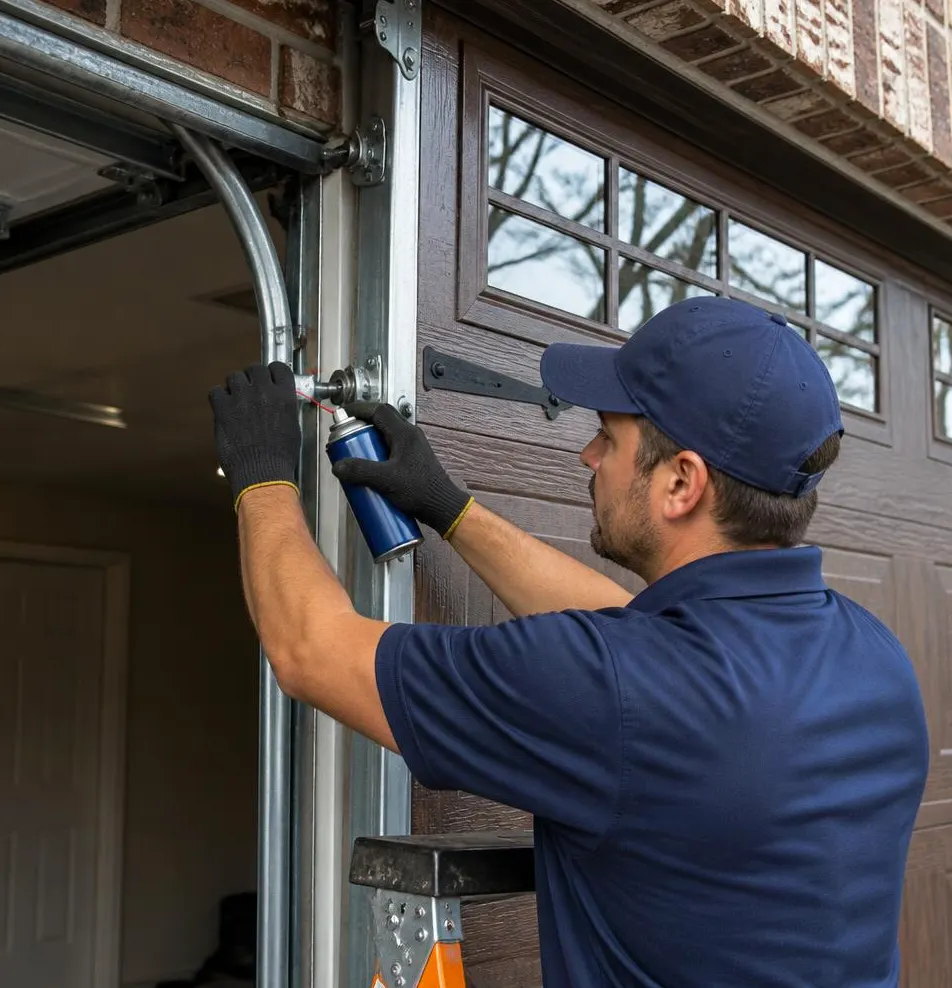
If an inspection turns up a door that's out of balance, springs that look worn or mismatched, or an opener that's clearly reaching the end of its life, it's worth having a professional confirm the diagnosis in writing — that documentation is useful for both tenants and landlords sorting out who pays. We offer Garage Door Maintenance & Tune-Up visits that catch these issues early, and if a spring has already failed or is close to it, our Garage Door Spring Replacement service gets it handled safely rather than someone attempting a DIY fix on a part under serious tension.
If you're a homeowner, tenant, or landlord in Middletown Township, Red Bank, Holmdel, Hazlet, Keansburg, Atlantic Highlands, Rumson, or Colts Neck and need an honest inspection before move-in or move-out, give Middletown Township Garage Door a call. We'll tell you straight what's wear and tear, what's damage, and what it'll take to fix it.